White Goods Recycle in Probate Clearance

Understanding Probate Clearance

A group of four young adults, two women and two men, standing outdoors with a neutral background, each holding large black rubbish bags filled with waste. The individuals are smiling and appear to be engaged in a community or volunteer rubbish removal activity, wearing casual clothing and yellow gloves for handling waste. The scene is well-lit with natural daylight, creating a clear and friendly atmosphere that aligns with rubbish clearance services in areas such as London or nearby towns. The presence of the rubbish bags emphasizes environmental responsibility and waste collection efforts, relevant to services offered by Probate Clearance London, especially in the context of general rubbish or waste removal associated with property clearance or community cleanup projects.

When a loved one passes away, managing their estate can be a daunting task. One critical aspect of this process is probate clearance, which involves settling the deceased's assets and liabilities. Among these assets, white goods such as refrigerators, washing machines, and other household appliances often require careful handling.

Properly managing and recycling white goods during probate clearance not only ensures compliance with legal requirements but also contributes to environmental sustainability. This article delves into the importance of recycling white goods in probate clearance, the processes involved, and the benefits of responsible disposal.

By understanding the nuances of white goods recycling, executors and family members can make informed decisions that honor the deceased's legacy while promoting eco-friendly practices.

The Importance of Recycling White Goods
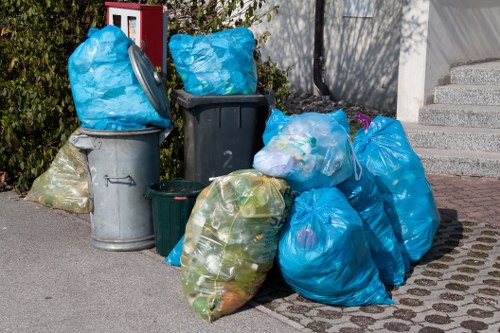
A collection of black, grey, and green wheelie bins and large blue plastic rubbish bags filled with household waste, placed on a paved driveway near a low stone wall and some shrubs. The blue bags contain various discarded items, and the bins are positioned close together, with some bags leaning against or stacked on top of the bins. The environment suggests an urban setting, likely in London, as part of a waste collection or rubbish removal process overseen by Probate Clearance London, supporting efficient disposal of domestic rubbish. The scene is outdoors with natural light illuminating the cluttered arrangement of waste containers and bags, indicating a typical rubbish management situation relevant to local rubbish clearance services in the area.

White goods play a significant role in our daily lives, providing essential household functions. However, when these items are no longer needed, especially during probate clearance, it's crucial to handle them appropriately. Recycling white goods ensures that valuable materials are reclaimed and that harmful substances are disposed of safely.

Improper disposal of white goods can lead to environmental pollution, as many appliances contain components like refrigerants and metals that can be hazardous. By opting for recycling, you help mitigate these risks and support the circular economy.

Moreover, recycling white goods can also provide financial benefits. Salvaging parts or selling functioning appliances can offset some of the costs associated with probate clearance, easing the financial burden on the estate.

Steps Involved in Recycling White Goods
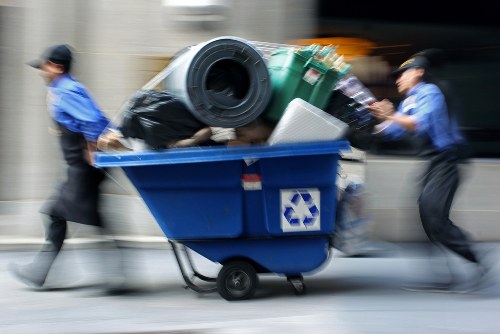
A blue wheeled rubbish bin filled with various waste items, including a large black plastic bag, a green waste container, a disused mattress, and other miscellaneous refuse, is being pushed along a city street. Two sanitation workers wearing dark trousers and blue uniforms are actively pushing the bin, one on each side, with slight motion blur indicating movement. The background shows a blurred urban setting with concrete structures and vehicles, consistent with a typical London street scene. The image evokes the context of waste collection and rubbish removal services that professionals like Probate Clearance London provide for residential or commercial properties in the area, possibly within the postcode region relevant to the London vicinity.

Recycling white goods during probate clearance involves several key steps. Understanding each step ensures a smooth and efficient process:

  1. Inventory Assessment: Begin by cataloging all white goods present in the estate. This includes appliances like refrigerators, ovens, washing machines, and dishwashers.
  2. Condition Evaluation: Determine the condition of each appliance. Some may be functional and suitable for sale or donation, while others may require recycling.
  3. Data Security: For appliances containing personal data, such as smart refrigerators or washing machines with connected features, ensure that all personal information is securely erased.
  4. Compliance with Regulations: Ensure that the disposal process adheres to local and national regulations regarding electronic waste and hazardous materials.
  5. Choosing the Right Recycling Partner: Partner with reputable recycling companies that specialize in handling white goods. They should follow environmentally responsible practices.

By following these steps, executors can efficiently manage white goods, ensuring that they are disposed of responsibly and in accordance with legal requirements.

The Environmental Benefits of Recycling

A smiling male waste management worker wearing a blue safety helmet, yellow high-visibility vest, dark gloves, and a blue shirt, standing indoors in a large industrial warehouse with steel framework and large windows. Behind him, there is a pile of various scrap metal objects, including car parts and other discarded metal items, which appear rusty and weathered. The environment suggests a rubbish removal or recycling facility where waste materials are processed, supporting the context of professional rubbish clearance services such as those offered by Probate Clearance London in London and surrounding areas. The worker’s confident stance and the cluttered background reflect a typical scene associated with waste disposal or recycling operations involving white goods and scrap materials.

Recycling white goods offers substantial environmental benefits. By diverting these appliances from landfills, you reduce the strain on landfill sites and minimize the release of harmful substances into the environment.

Metals recovered from white goods, such as steel, aluminum, and copper, can be reused in manufacturing new products, reducing the need for virgin materials and conserving natural resources.

Additionally, recycling helps in energy conservation. Producing materials from recycled sources typically consumes less energy compared to extracting and processing raw materials, leading to a lower carbon footprint.

Legal Considerations in Probate Clearance
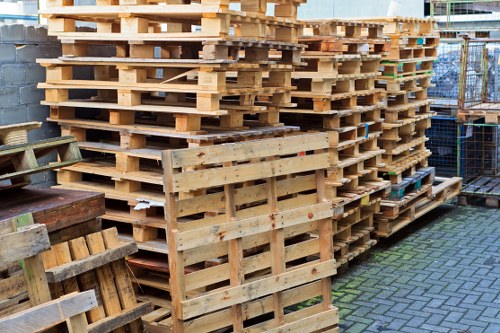
A large stack of unfinished wooden pallets arranged in an outdoor area on a paved surface, with some pallets leaning against each other and others stacked neatly in rows. The pallets are made of light-colored, untreated timber with visible grain and rough textures, featuring slats and supporting blocks. In the background, there is a wire fence and some industrial or storage structures, indicating a waste management or recycling facility. The scene is illuminated by natural daylight, highlighting the textures and details of the wood. This setting relates to rubbish removal services, such as those offered by Probate Clearance London, for clearing and recycling white goods or other bulk waste materials from properties in London and nearby areas.

Probate clearance involves adhering to various legal obligations. Executors must ensure that all assets, including white goods, are accounted for and disposed of in compliance with the law.

Failure to properly manage and recycle white goods can lead to legal complications, including fines or disputes among beneficiaries. It's essential to consult with legal professionals to understand the specific requirements and ensure that all procedures are correctly followed.

Additionally, maintaining accurate records of the disposal process, including receipts from recycling companies and documentation of asset inventories, is crucial for transparency and accountability during probate clearance.

Choosing the Right Recycling Service

Criteria for Selection

Selecting a reputable recycling service is vital for ensuring that white goods are handled responsibly. Consider the following criteria when choosing a recycling partner:

  • Certification: Ensure the company is certified by relevant environmental authorities, indicating adherence to industry standards.
  • Experience: Opt for companies with extensive experience in recycling white goods, demonstrating expertise in handling various appliance types.
  • Transparency: A trustworthy recycler should provide clear information about their processes, including how they handle hazardous materials and material recovery rates.
  • Customer Reviews: Research customer feedback to gauge the reliability and quality of the recycling service.

By carefully selecting a recycling service based on these criteria, you can ensure that the white goods are processed in an environmentally friendly and legally compliant manner.

Financial Implications of Recycling

Cost Savings

Recycling white goods can lead to significant cost savings during probate clearance. By salvaging functional appliances for resale or donation, you can recover some of the estate's assets, reducing the overall financial burden.

Moreover, responsible recycling may qualify for tax benefits or incentives provided by environmental programs, further offsetting costs associated with estate settlement.

Value Recovery

Even non-functional white goods contain valuable materials that can be recycled and sold. Metals like copper and aluminum, along with other components, can be reclaimed and repurposed, contributing to the estate's financial recovery.

Steps to Begin Recycling in Probate Clearance

A group of four young adults, two women and two men, standing outdoors with a neutral background, each holding large black rubbish bags filled with waste. The individuals are smiling and appear to be engaged in a community or volunteer rubbish removal activity, wearing casual clothing and yellow gloves for handling waste. The scene is well-lit with natural daylight, creating a clear and friendly atmosphere that aligns with rubbish clearance services in areas such as London or nearby towns. The presence of the rubbish bags emphasizes environmental responsibility and waste collection efforts, relevant to services offered by Probate Clearance London, especially in the context of general rubbish or waste removal associated with property clearance or community cleanup projects.

1. Assess the Inventory

Start by creating a comprehensive inventory of all white goods in the estate. Document the make, model, condition, and any identifying features of each appliance.

2. Determine Disposal Method

Based on the condition assessment, decide whether each appliance will be sold, donated, or recycled. Functional items can be marketed for resale or given to charities, while those needing disposal should be recycled.

3. Contact Recycling Services

Reach out to certified recycling companies to arrange for the collection and processing of non-functional appliances. Ensure they follow eco-friendly practices and provide necessary documentation.

4. Secure Necessary Documentation

Maintain records of all transactions and disposal methods. This includes receipts from recyclers, sales records for donated items, and any legal documents related to asset liquidation.

5. Finalize Estate Settlement

Incorporate the recycled and recovered assets into the overall estate settlement process, ensuring all legal obligations are met and beneficiaries are informed of the disposal methods.

Common Challenges and Solutions

A collection of black, grey, and green wheelie bins and large blue plastic rubbish bags filled with household waste, placed on a paved driveway near a low stone wall and some shrubs. The blue bags contain various discarded items, and the bins are positioned close together, with some bags leaning against or stacked on top of the bins. The environment suggests an urban setting, likely in London, as part of a waste collection or rubbish removal process overseen by Probate Clearance London, supporting efficient disposal of domestic rubbish. The scene is outdoors with natural light illuminating the cluttered arrangement of waste containers and bags, indicating a typical rubbish management situation relevant to local rubbish clearance services in the area.

Probate clearance involving white goods can present several challenges. Addressing these proactively ensures a smoother process:

  • Emotional Attachment: Family members may have sentimental attachments to appliances. Approach the situation with empathy and involve them in decision-making to alleviate concerns.
  • Logistical Issues: Transporting large appliances can be difficult. Partner with professional recycling services that offer pick-up and transportation to ease the process.
  • Regulatory Compliance: Staying updated with changing regulations can be challenging. Consult with legal experts or recycling professionals to ensure all procedures comply with current laws.

By anticipating these challenges and implementing effective solutions, executors can navigate the complexities of probate clearance with greater ease.

Benefits of Professional Assistance

Expert Guidance

Engaging professional probate clearance services can provide invaluable guidance throughout the process. Experts understand the intricacies of asset management, including the best practices for recycling white goods.

Time Efficiency

Professionals can streamline the clearance process, handling tasks such as inventory management, coordination with recycling services, and ensuring compliance with legal requirements, saving you time and reducing stress.

Maximizing Asset Recovery

Experienced professionals know how to maximize the recovery value from white goods, identifying items that can be resold or donated, thereby enhancing the estate's overall financial position.

Eco-Friendly Disposal Practices

A blue wheeled rubbish bin filled with various waste items, including a large black plastic bag, a green waste container, a disused mattress, and other miscellaneous refuse, is being pushed along a city street. Two sanitation workers wearing dark trousers and blue uniforms are actively pushing the bin, one on each side, with slight motion blur indicating movement. The background shows a blurred urban setting with concrete structures and vehicles, consistent with a typical London street scene. The image evokes the context of waste collection and rubbish removal services that professionals like Probate Clearance London provide for residential or commercial properties in the area, possibly within the postcode region relevant to the London vicinity.

Adopting eco-friendly disposal practices is essential for sustainable probate clearance. This involves minimizing waste, conserving resources, and reducing environmental impact through responsible recycling.

Implementing strategies such as donating functional appliances, selecting certified recyclers, and ensuring proper material separation can significantly enhance the sustainability of the clearance process.

Moreover, promoting awareness about the importance of eco-friendly disposal among family members and beneficiaries encourages a collective effort towards environmental stewardship.

Case Studies and Success Stories

A smiling male waste management worker wearing a blue safety helmet, yellow high-visibility vest, dark gloves, and a blue shirt, standing indoors in a large industrial warehouse with steel framework and large windows. Behind him, there is a pile of various scrap metal objects, including car parts and other discarded metal items, which appear rusty and weathered. The environment suggests a rubbish removal or recycling facility where waste materials are processed, supporting the context of professional rubbish clearance services such as those offered by Probate Clearance London in London and surrounding areas. The worker’s confident stance and the cluttered background reflect a typical scene associated with waste disposal or recycling operations involving white goods and scrap materials.

Examining real-life case studies can provide insights into effective white goods recycling during probate clearance. For instance, in one case, executors successfully donated several refrigerators to local shelters, ensuring they were repurposed to benefit those in need.

In another scenario, a family worked with a reputable recycling company to dismantle and recycle a large batch of outdated washing machines, recovering valuable metals and reducing landfill waste.

These success stories highlight the positive outcomes of responsible recycling practices, demonstrating the tangible benefits for both the estate and the environment.

Future Trends in White Goods Recycling

Technological Advancements

Advancements in recycling technology are enhancing the efficiency and effectiveness of white goods recycling. Innovations such as automated sorting systems and improved material recovery methods are making the process faster and more sustainable.

Increased Regulatory Support

Governments are implementing stricter regulations and providing incentives for recycling, encouraging more estates to adopt responsible disposal practices. This regulatory support is vital for driving widespread adoption of eco-friendly clearance methods.

Circular Economy Integration

The integration of circular economy principles into white goods recycling ensures that materials are continuously reused, reducing the need for new resources and minimizing waste. This approach fosters long-term sustainability and environmental preservation.

Conclusion

A large stack of unfinished wooden pallets arranged in an outdoor area on a paved surface, with some pallets leaning against each other and others stacked neatly in rows. The pallets are made of light-colored, untreated timber with visible grain and rough textures, featuring slats and supporting blocks. In the background, there is a wire fence and some industrial or storage structures, indicating a waste management or recycling facility. The scene is illuminated by natural daylight, highlighting the textures and details of the wood. This setting relates to rubbish removal services, such as those offered by Probate Clearance London, for clearing and recycling white goods or other bulk waste materials from properties in London and nearby areas.

Recycling white goods in probate clearance is a critical component of responsible estate management. It not only ensures compliance with legal requirements but also promotes environmental sustainability and financial efficiency.

By understanding the importance of recycling, following systematic disposal steps, and engaging professional services, executors and family members can navigate the complexities of probate clearance with confidence.

Embracing eco-friendly disposal practices honors the legacy of the deceased while contributing to a healthier planet for future generations.

Contact us today to learn more about how we can assist you in responsible white goods recycling during probate clearance.

Frequently Asked Questions

Trusted white goods recyclers use state-of-the-art equipment to safely dismantle and recycle appliances. They employ eco-friendly processes to ensure materials are properly sorted and reused, minimizing environmental impact. Our team is equipped with the latest tools to handle all types of white goods efficiently and safely. Contact our team for a quick quote.

Yes, our white goods recycling services are accredited by leading industry bodies, ensuring high standards of operation and reliability. These accreditations reflect our commitment to excellence and adherence to best practices in recycling. Choose a certified recycler you can trust for responsible disposal. Contact our team for a quick quote.

Absolutely. Our licensed recycling services come with full certifications and insurance, guaranteeing compliance with all legal and environmental regulations. This ensures your white goods are handled responsibly and safely. Trust our experienced team for worry-free recycling solutions. Contact our team for a quick quote.

The best white goods recycling companies achieve high recycling rates, often exceeding 90%, by efficiently recovering and reusing materials. Our commitment to environmental responsibility ensures that your appliances are recycled in the most sustainable way possible. Partner with us for eco-friendly recycling solutions. Contact our team for a quick quote.

Our team has over a decade of experience in recycling all types of white goods, from refrigerators to washing machines. This extensive experience ensures that we handle each appliance with expertise and care, providing reliable and efficient recycling services. Choose our seasoned professionals for your recycling needs. Contact our team for a quick quote.

Yes, we offer affordable white goods recycling services tailored to fit your budget without compromising on quality. Our transparent pricing ensures you receive top-notch service at a competitive rate. Let us help you recycle responsibly without breaking the bank. Contact our team for a quick quote.

Finding licensed and trustworthy white goods recyclers is easy with our network of certified professionals. We prioritize reliability and customer satisfaction, ensuring your appliances are recycled safely and responsibly. Locate a trusted recycler in your area today. Contact our team for a quick quote.

Professional white goods recyclers implement stringent safety measures, including proper handling procedures, secure transportation, and compliance with safety regulations. These practices ensure the safety of both the workers and the environment during the recycling process. Rely on our safe and secure recycling services. Contact our team for a quick quote.

Trusted white goods recyclers maintain complete transparency in pricing and processes. We provide clear estimates with no hidden fees and keep you informed every step of the way. Our open approach builds trust and ensures you are fully aware of how your appliances are recycled. Experience our transparent services today. Contact our team for a quick quote.

Leading white goods recyclers adhere to ethical practices by ensuring responsible disposal, minimizing waste, and supporting sustainable recycling methods. We prioritize the environment and community well-being in all our operations. Choose an ethical recycler committed to making a positive impact. Contact our team for a quick quote.

Yes, you can rely on insured white goods recyclers for safe and secure disposal of your appliances. Our comprehensive insurance coverage protects against any unforeseen incidents, ensuring peace of mind while we handle your recycling needs. Trust our insured professionals for dependable service. Contact our team for a quick quote.

Certifications such as ISO 14001 for environmental management and compliance with local recycling regulations ensure that a white goods recycler is both legally compliant and environmentally responsible. Our certifications demonstrate our dedication to sustainable and lawful recycling practices. Choose a certified recycler for peace of mind. Contact our team for a quick quote.
Probate Clearance London

Discover the essential guide to recycling white goods during probate clearance. Learn the steps, benefits, and best practices for environmentally responsible disposal.

Call Now!
Get a Quote

Get In Touch With Us.

Please fill out the form below to send us an email and we will get back to you as soon as possible.