Commercial Waste Disposal in Probate Clearance
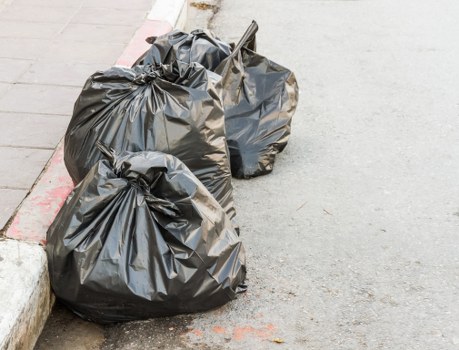
Managing the estate of a deceased loved one can be a challenging and emotional process. Among the various tasks involved in probate clearance, commercial waste disposal stands out as a critical yet often overlooked component. Ensuring that all commercial waste is properly disposed of not only complies with legal requirements but also upholds environmental responsibilities.
Probate clearance involves assessing and distributing the assets of the deceased, which may include office equipment, electronic devices, furniture, and other business-related items. Each of these items can generate significant waste, necessitating a systematic approach to disposal. Effective waste management in this context helps prevent potential legal issues and promotes sustainability.
Understanding the intricacies of commercial waste disposal during probate clearance is essential for executors, estate administrators, and family members involved in the process. This comprehensive guide delves into the best practices, legal considerations, and environmental impacts associated with disposing of commercial waste in probate clearance.
Understanding Probate Clearance
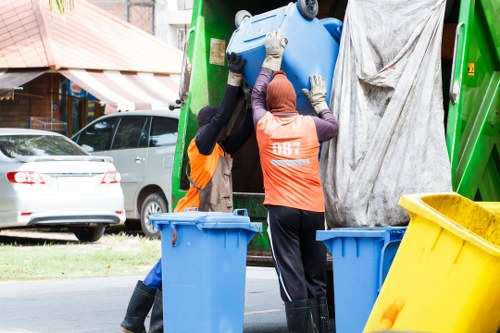
Probate clearance is the legal process through which a deceased person's estate is administered and distributed. This process involves validating the will, identifying and appraising assets, paying off debts and taxes, and ultimately distributing the remaining assets to beneficiaries. One of the key aspects of probate clearance is managing and disposing of the deceased's property, which often includes commercial assets if the estate involves business interests.
When a business is part of the estate, commercial waste disposal becomes a significant task. Executives must ensure that all business-related waste is handled in compliance with local regulations and environmental standards. Failure to do so can result in legal repercussions and harm the environment.
Proper disposal of commercial waste not only adheres to legal requirements but also reflects the ethical obligations of the estate's administrators. It demonstrates a commitment to environmental stewardship and social responsibility, which can be crucial for maintaining the estate's reputation.
Types of Commercial Waste in Probate Clearance

Commercial waste generated during probate clearance can vary widely depending on the nature of the deceased's business activities. Common types of commercial waste include:
- **Electronic Waste (E-waste):** This includes outdated computers, printers, copiers, and other electronic devices that need to be disposed of or recycled properly.
- **Office Supplies:** Items such as paper, inks, toners, and other consumables accumulate and require efficient disposal methods.
- **Furniture and Fixtures:** Desks, chairs, filing cabinets, and other office furniture may need to be sold, donated, or recycled.
- **Hazardous Materials:** Businesses may have stored chemicals, batteries, or other hazardous substances that require specialized disposal.
- **Furniture and Fixtures:** Desks, chairs, filing cabinets, and other office furniture may need to be sold, donated, or recycled.
Proper identification and categorization of these waste types are essential for determining the most effective disposal methods. Each category may have specific regulations governing its disposal, necessitating a tailored approach to each type of waste.
Legal Considerations for Commercial Waste Disposal

Disposing of commercial waste in probate clearance isn't just a logistical concern; it also involves navigating a complex web of legal obligations. Executors and estate administrators must be aware of federal, state, and local regulations that dictate how different types of waste should be handled.
For instance, Electronic Waste is subject to specific disposal guidelines due to the hazardous materials it contains. Many jurisdictions require that e-waste be processed by certified recyclers to prevent environmental contamination. Similarly, hazardous waste such as chemicals or batteries must be disposed of following strict protocols to ensure public safety and environmental protection.
Non-compliance with these regulations can lead to hefty fines and legal actions. Therefore, it's imperative to work with professional waste disposal services that are knowledgeable about the relevant laws and can ensure that all waste is handled appropriately.
- Environmental Protection Agency (EPA) Guidelines: The EPA sets nationwide standards for waste disposal, including commercial waste handling during probate clearance.
- State Regulations: Individual states may have additional requirements that supersede federal guidelines.
- Local Ordinances: Municipalities often have their own rules regarding waste disposal, especially concerning recycling and hazardous materials.
Best Practices for Commercial Waste Disposal

Implementing best practices in commercial waste disposal ensures that the probate clearance process is efficient, compliant, and environmentally responsible. Here are some strategies to achieve effective waste management:
- Assessment and Categorization: Begin by assessing the types and volumes of waste generated. Categorize waste into recyclable, non-recyclable, and hazardous to determine appropriate disposal methods.
- Partner with Certified Waste Disposal Services: Engage with professional waste management companies that have the necessary certifications and expertise in handling commercial waste.
- Implement Recycling Programs: Maximize recycling opportunities to reduce the environmental impact. This includes recycling paper, metals, electronics, and other recyclable materials.
- Document Disposal Processes: Maintain detailed records of waste disposal, including the types of waste, disposal methods, and service providers used. This documentation is crucial for legal compliance and future reference.
- Secure Data Destruction: For electronic waste containing sensitive information, ensure that data is securely destroyed to protect against data breaches and identity theft.
Adhering to these best practices not only ensures compliance with legal standards but also promotes sustainability and corporate responsibility, which are increasingly important to stakeholders and beneficiaries involved in the probate process.
Moreover, implementing these practices can streamline the probate clearance process, reducing the time and resources required to manage and dispose of commercial waste effectively.
Environmental Impact of Improper Waste Disposal
Improper disposal of commercial waste can have severe environmental consequences. Hazardous materials released into the environment can contaminate soil and water sources, posing risks to wildlife and human health. For example, improperly disposed electronics can leach heavy metals like lead and mercury into the ground, causing long-term soil contamination.
Additionally, non-recyclable waste contributes to landfill expansion, increasing the strain on already limited landfill space and exacerbating issues like methane emissions and leachate production. Methane, a potent greenhouse gas, is released as organic waste decomposes anaerobically in landfills, contributing to climate change.
By ensuring proper disposal of commercial waste during probate clearance, executors and estate administrators can minimize these environmental impacts. This not only fulfills legal obligations but also aligns with broader environmental sustainability goals, reflecting a commitment to preserving natural resources for future generations.
Choosing the Right Waste Disposal Partner
Selecting the appropriate waste disposal partner is crucial to the success of the probate clearance process. The right partner will offer comprehensive services tailored to the specific needs of commercial waste, ensuring that all materials are handled responsibly and in accordance with legal requirements.
When evaluating potential waste disposal companies, consider the following factors:
- Certification and Compliance: Ensure that the company holds all necessary certifications and complies with local, state, and federal regulations.
- Experience in Probate Clearance: Companies with experience in handling probate-related waste are more likely to understand the unique challenges and requirements involved.
- Range of Services: Look for providers that offer a wide range of services, including recycling, hazardous waste disposal, and data destruction for electronic waste.
- Reputation and Reviews: Research the company's reputation through reviews, testimonials, and case studies to gauge their reliability and quality of service.
- Environmental Commitment: Choose partners who prioritize sustainability and demonstrate a commitment to reducing environmental impact through their waste management practices.
By thoroughly vetting potential partners, executors and estate administrators can ensure that the commercial waste disposal process is handled efficiently, legally, and sustainably.
Cost Considerations in Commercial Waste Disposal
Managing costs is an important aspect of the probate clearance process, and commercial waste disposal is no exception. Effective cost management can help maximize the estate's value while ensuring that all waste is disposed of responsibly.
Several factors influence the cost of commercial waste disposal during probate clearance:
- Volume and Type of Waste: The amount and nature of the waste determine the disposal methods required, influencing overall costs. Hazardous materials typically incur higher disposal fees due to the specialized handling they require.
- Service Provider Fees: Different waste disposal companies have varying pricing structures based on their services, certifications, and reputation.
- Recycling and Salvage Opportunities: Selling or donating items for reuse can offset disposal costs. Recycling certain materials may also provide some financial returns.
- Transportation Costs: The distance between the estate location and the waste disposal facility can affect transportation fees.
To manage these costs effectively, it's advisable to:
- Obtain multiple quotes from reputable waste disposal providers to compare pricing and services.
- Assess which items can be recycled, donated, or sold to reduce the volume of waste requiring disposal.
- Consider bundling services to negotiate better rates with waste disposal companies.
By carefully evaluating these factors, executors and estate administrators can make informed decisions that balance cost-efficiency with responsible waste management.
Technological Tools for Efficient Waste Management
Advancements in technology have significantly enhanced the efficiency and effectiveness of commercial waste disposal. Integrating technological tools into the probate clearance process can streamline waste management, ensuring timely and compliant disposal.
Some of the key technological solutions include:
- Waste Management Software: These platforms help track and manage waste disposal activities, providing real-time data on waste types, volumes, and disposal status.
- Automation Tools: Automated systems can schedule waste pickups, manage recycling processes, and ensure that deadlines are met without manual intervention.
- Data Analytics: Analyzing waste data can uncover patterns and opportunities for improving disposal practices, reducing costs, and enhancing sustainability.
- Secure Data Destruction Solutions: For electronic waste, specialized software ensures that all data is irretrievably destroyed, safeguarding sensitive information.
Implementing these technological tools not only improves the efficiency of waste disposal but also provides valuable insights that can inform future waste management strategies.
Moreover, leveraging technology can enhance transparency and accountability, as stakeholders can access detailed reports and audits of the waste disposal process, ensuring that all actions are traceable and compliant.
Case Studies: Successful Commercial Waste Disposal in Probate Clearance
Examining real-world examples of successful commercial waste disposal during probate clearance can provide valuable insights and best practices. Here are a couple of case studies that highlight effective waste management strategies:
Case Study 1: TechCorp Ltd.
TechCorp Ltd., a mid-sized technology company, was included in the probate estate of its founder. The estate included a significant amount of electronic waste, office equipment, and hazardous materials. The executors partnered with a certified waste disposal company specializing in electronic and hazardous waste.
- Assessment: Conducted a comprehensive audit of all electronic devices and hazardous materials.
- Recycling: Recycled all recyclable electronics and safely disposed of hazardous substances.
- Documentation: Maintained detailed records of all disposal activities to ensure compliance.
- Cost Management: Negotiated a bulk disposal rate, reducing overall costs by 15%.
Result: The estate was cleared efficiently, with all waste disposed of responsibly and in compliance with all regulations.
Case Study 2: GreenSolutions Inc.
GreenSolutions Inc., a sustainability-focused company, was part of a large probate estate. The company possessed a variety of recyclable materials, office furniture, and non-hazardous waste. The executors opted for a waste disposal partner that emphasized environmental sustainability.
- Recycling Initiatives: Implemented extensive recycling programs for paper, metals, and plastics.
- Donation: Donated usable furniture and office equipment to local charities, reducing waste and benefiting the community.
- Environmental Compliance: Ensured all disposal methods adhered to the highest environmental standards.
Result: The estate successfully minimized its environmental footprint while efficiently managing waste, aligning with the company's sustainability ethos.
Future Trends in Commercial Waste Disposal
The landscape of commercial waste disposal is continually evolving, influenced by technological advancements, regulatory changes, and shifting societal priorities. Understanding future trends can help executors and estate administrators prepare for upcoming challenges and opportunities in probate clearance.
Some of the notable trends include:
- Circular Economy: Emphasizing the reuse and recycling of materials to create a closed-loop system, reducing waste and conserving resources.
- Advanced Recycling Technologies: Innovations such as chemical recycling and AI-driven sorting systems are enhancing recycling efficiency and capabilities.
- Increased Regulatory Stringency: Governments are implementing more rigorous waste disposal regulations to address environmental concerns, necessitating stricter compliance measures.
- Green Certifications: Waste disposal companies are increasingly seeking green certifications to demonstrate their commitment to sustainable practices.
- Digital Tracking: Enhanced digital tracking and reporting tools are improving transparency and accountability in waste management processes.
Staying abreast of these trends ensures that waste disposal practices remain effective, compliant, and aligned with broader environmental goals.
Moreover, embracing these trends can provide competitive advantages, such as cost savings through improved efficiencies and enhanced reputations through sustainable practices.
Conclusion
Commercial waste disposal plays a pivotal role in the probate clearance process, encompassing legal compliance, environmental responsibility, and efficient estate management. By understanding the types of commercial waste, adhering to legal requirements, implementing best practices, and leveraging technological tools, executors and estate administrators can navigate the complexities of waste disposal with confidence.
Furthermore, selecting the right waste disposal partner and staying informed about future trends ensures that the process remains smooth, cost-effective, and sustainable. Proper management of commercial waste not only fulfills legal obligations but also upholds ethical standards, contributing to the overall integrity and success of the probate clearance process.
For those involved in probate clearance, prioritizing commercial waste disposal is essential for preserving the estate's value, protecting the environment, and honoring the legacy of the deceased. Don’t let waste disposal become a hurdle in the probate process—**contact us today** to ensure your estate is managed responsibly and efficiently.